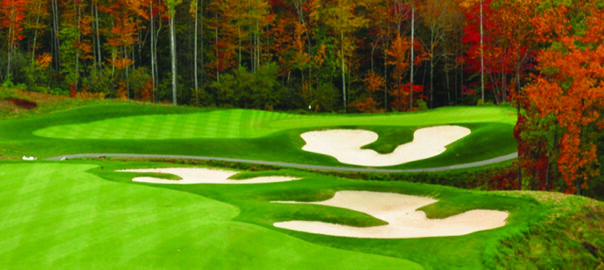
Every summer, the same scene plays out on golf courses and commercial turf properties across the country. The temperature climbs, morning dew lingers a little longer, and then those familiar straw-colored circles appear. By the time dollar spot is visible, the disease pressure has been building for weeks. If your dollar spot suppression program does not start before symptoms show up, you are already behind.
The professionals who consistently win the fight against dollar spot are not the ones who respond the fastest. They are the ones who plan the furthest ahead.
Key Takeaways
- Dollar spot is the most costly fungal disease in U.S. turf management, and reactive programs cost more than proactive ones
- Dollar spot suppression begins in spring, not summer
- Low nitrogen fertility is one of the strongest predictors of dollar spot severity
- Prolonged leaf wetness is the most controllable environmental trigger
- Fungicide resistance in Clarireedia jacksonii is a well-documented, growing concern
- Soil biology directly impacts the effectiveness of your dollar spot suppression strategy
- Biochar, humic acids, and biological inputs build the foundation that supports long-term suppression
- Consistent nitrogen delivery, cultural practices, and biological programs work together. No single tactic is enough
What Exactly Makes Dollar Spot So Hard to Beat?
Dollar spot is caused by the fungal pathogen Clarireedia jacksonii, and it is the single most expensive fungal disease in U.S. turfgrass management. It accounts for more fungicide spending than any other turf disease, year after year.
The challenge is how opportunistic the pathogen is. It survives in the thatch layer and infected plant debris, waiting for the right window. Once nighttime temperatures stay above 50 degrees Fahrenheit and morning dew or poor irrigation timing creates extended leaf wetness, dollar spot moves fast.
And it spreads through everything like mower traffic, foot traffic, equipment movement, and clipping dispersal. On an active golf course, the potential for inoculum distribution across greens, tees, and fairways is significant.
Why Does Fungicide Resistance Keep Coming Up in Dollar Spot Suppression?
Because it is a real and growing problem. Clarireedia jacksonii has one of the most well-documented histories of fungicide resistance among turfgrass pathogens. Repeated use of the same systemic chemistry or relying on a single fungicide class throughout the season creates selection pressure that reduces efficacy over time.
Superintendents who anchor their entire dollar spot suppression strategy to fungicide applications alone often find themselves tightening intervals, increasing rates, and still losing turf. That is the ceiling of a chemistry-only approach.
A more durable dollar spot suppression program layers fungicide rotation with cultural management and biological inputs so that no single tool carries all the weight.
Does Low Nitrogen Actually Cause Dollar Spot?
Not directly, but the connection is one of the strongest in turfgrass pathology. Nitrogen-deficient turf grows slowly, lacks canopy vigor, and cannot recover from infection pressure as well as properly fed turf can. Research from Penn State, UMass, and Purdue consistently shows that turf at adequate nitrogen levels exhibits significantly lower dollar spot severity than turf at deficient nitrogen levels.
How You Deliver Nitrogen Matters
On high-maintenance surfaces like putting greens, frequent light applications of readily available nitrogen outperform infrequent heavy applications, especially through summer. The goal is steady canopy growth without overloading the plant during heat stress.
Silica is worth including in this conversation. Cell wall strength plays a significant role in pathogen resistance, and silicon has been shown to improve cellular structural integrity. Turf with stronger cells is harder for pathogens to penetrate.
What Cultural Practices Actually Move the Needle on Dollar Spot Suppression?
Dollar spot suppression is a system, not a single action. The cultural side of that system is where a lot of programs lose ground.
Irrigation Timing
Extended leaf wetness is the most controllable environmental trigger for dollar spot. Shifting irrigation to early morning hours, watering deeply and infrequently, and removing morning dew by dragging or early mowing all reduce the time the canopy remains wet. Drought-stressed turf is also vulnerable, so finding the right soil moisture balance is important.
Thatch Management
Excessive thatch creates exactly the warm, moist microenvironment where dollar spot thrives and persists. Keeping thatch in check through aeration, vertical mowing, and topdressing removes the pathogen’s preferred habitat and improves the oxygen levels needed for healthy beneficial microbial populations below ground.
Equipment Sanitation and Mowing Height
Mowing too short stresses the plant and creates easy points of entry for infection. And cleaning mowing equipment before moving from infected areas to clean turf is a simple step that prevents inoculum from being mechanically distributed across the property.
How Does Soil Biology Fit Into a Dollar Spot Suppression Strategy?
This is a question more turf managers should be asking. Why do some stands of turf consistently show lower dollar spot severity than others under the same conditions? The answer often comes down to what is happening below the surface.
A biologically active root zone creates a more competitive soil environment. When beneficial microbial populations are robust, they support better nutrient cycling, improved thatch decomposition, and less available niche for fungal pathogens to establish. Research has documented that soils high in active microbial biomass and organic matter tend to support reduced fungal disease pressure, including dollar spot suppression outcomes.
What Depletes Soil Biology
Chronic synthetic fertilizer use, compaction, excessive thatch accumulation, and repeated pesticide exposure all degrade the biological foundation that supports healthy turf. Depleted soil biology means stressed turf, and stressed turf is the most vulnerable to dollar spot infection.
Biochar is one of the most effective tools for rebuilding and sustaining soil biology. Its porous structure creates habitat for beneficial microorganisms, improves water retention, and supports long-term soil carbon accumulation. Incorporating biochar-based inputs into your program is one of the most durable investments you can make in dollar spot suppression.
Humic acids play a complementary role. Research shows that, under the influence of humic acids, plants grow stronger and resist disease more effectively. Humic acids improve cell membrane permeability, support nutrient uptake, and help turf maintain vigor under stress, all of which directly support a dollar spot suppression outcome.
When Should You Actually Start Your Dollar Spot Suppression Program?
Far earlier than most programs do. Dollar spot can be active from mid-May through mid-October in temperate climates. That means your dollar spot suppression plan should be taking shape in early spring, before the conditions that favor the disease are present.
Spring is when you build the biological and nutritional foundation that supports season-long suppression. Prioritize root-zone biology, establish steady nitrogen availability, manage thatch before summer, and condition the soil environment to support, rather than suppress, beneficial microbial activity.
Biological inputs work best when disease pressure is low to moderate, and the soil environment is already conditioned to their use. Waiting until a summer outbreak to introduce biological tools into a depleted soil system does not give those inputs enough time to establish the competitive advantage needed to suppress disease pressure.
Your Dollar Spot Suppression Program Needs a Stronger Foundation
Dollar spot suppression is not a summer problem. It is a year-round management commitment that requires planning, biological investment, and tools that address the root cause rather than just the visible symptoms.
BioPlex Organics provides turf professionals with the science-based tools to build that foundation. BioPlex PATHOGEN Defense POWER+ supports direct disease suppression, while BioPlex 5M BioBUILDER N 10-0-0 plus 10% Silica delivers the nitrogen and silica your turf needs to maintain canopy vigor that keeps dollar spot in check. BioPlex TURF POWER+ and BioPlex 808 GREEN POWER+ support consistent turf performance through the high-stress summer window. Below ground, BioPlex BioCHAR Eco-Builder and BioCHAR DRY Black-Gold G build the soil biology and structure that supports long-term dollar spot suppression season after season. FULVIC POWER+ adds the humate support your turf needs to stay resilient when conditions turn.
If your dollar spot suppression program needs a stronger biological foundation, contact our team directly to build a program tailored to your operation.