Whether you’re learning how to choose the right Bio-Plex product for your application or need step-by-step guidance on using our formulations for transplant success and plant maintenance, you’ll find helpful articles written by industry professionals here.
Your transplant management system is either making you money or costing you money. Landscape contractors, nursery growers, and tree care professionals have very little middle ground on this topic. When plant transplant survival rates take a hit, you’re not just replacing a shrub. You’re rebooking a crew, eating warranty costs, and fielding calls from a…
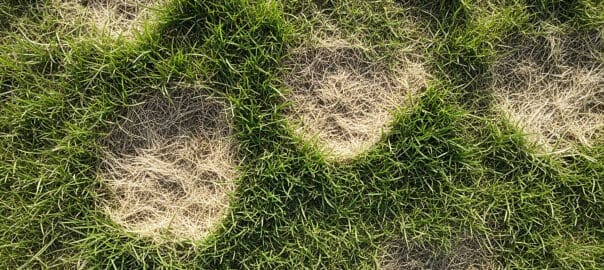
Every fall, snow mold control gets penciled into the management calendar somewhere between the last fungicide rotation and the first hard freeze, as if the timing were negotiable. Unfortunately, it isn’t. By the time circular patches of bleached, matted grass appear in early spring and the damage becomes visible across affected areas, the infection has…
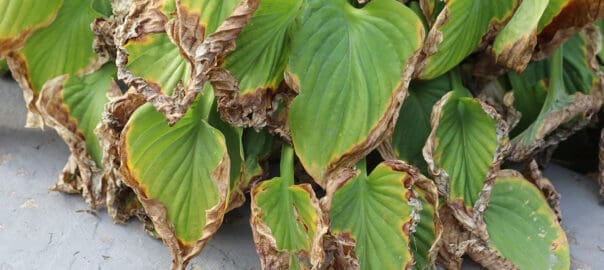
Anti-desiccant vegetative hydration for trees and evergreen shrubs is a September decision, and most contractors don’t realize they’ve missed the window until they’re walking a job site in March. By then, the arborvitae that looked perfectly healthy at installation has burned sections throughout the canopy, and the client wants to talk about product quality. The…
Walk a stressed green with a veteran superintendent and the conversation rarely starts with chemistry. It starts with soil. Specifically, with what the profile looks like when you pull it apart, where the roots stop, how much biological activity is actually present in the root zone, and whether the physical architecture down there is helping…
Amino acid humic fulvic acid summer heat stress is not one failure. It is a cascade. By the time you see it on the turf surface or in the canopy of a newly installed ornamental, the physiological breakdown has been compounding beneath the surface for weeks. Cell membranes are losing integrity. Stomata have been closing…
Carbon biochar turf recovery and root mass rebuilding represent the most important agronomic investment a turf manager can make during the fall window, when turf shifts out of summer survival mode and back into active root regeneration. After months of heat load, traffic, and drought-cycle stress, your turf enters September and October stressed, in a…
Turfgrass health and nutrition are built or broken long before you pick up a spray nozzle. The carbon cycle driving every biological process your turf depends on to grow, recover, and perform under pressure is either working for your program or quietly undermining it. Most conventional fertility approaches never address it at all. The professionals…
Dollar spot control has become one of the most pressing challenges in professional turfgrass management, and the window for reliable, repeatable results is narrowing fast. If you are managing bentgrass greens, ryegrass fairways, or bluegrass roughs under peak summer disease pressure, you already know the signs. Small, bleached, straw-colored spots on individual leaf blades. Reddish…
Spring installation season puts everything on the line. Whether you’re dropping trees into a new commercial landscape, plugging sod into a recovering fairway, or moving container stock from the nursery to the field, the window between a plant going in the ground and that plant taking hold is where you either win or lose the…
Is Your Turf Stress Management Program Starting Too Late? Every summer, the same scene plays out on golf courses and commercial turf properties across the country. Rounds increase, temperatures climb, compaction builds, and not long after, those familiar telltale stress symptoms begin to appear. By the time stress is visible, the underlying causes have already…